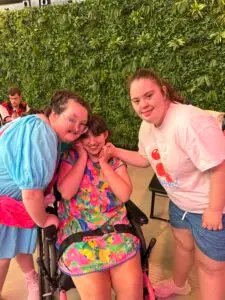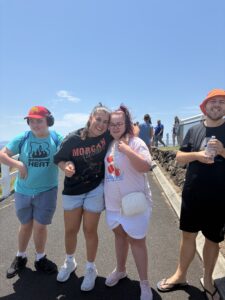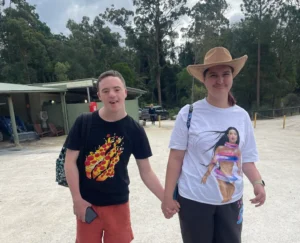
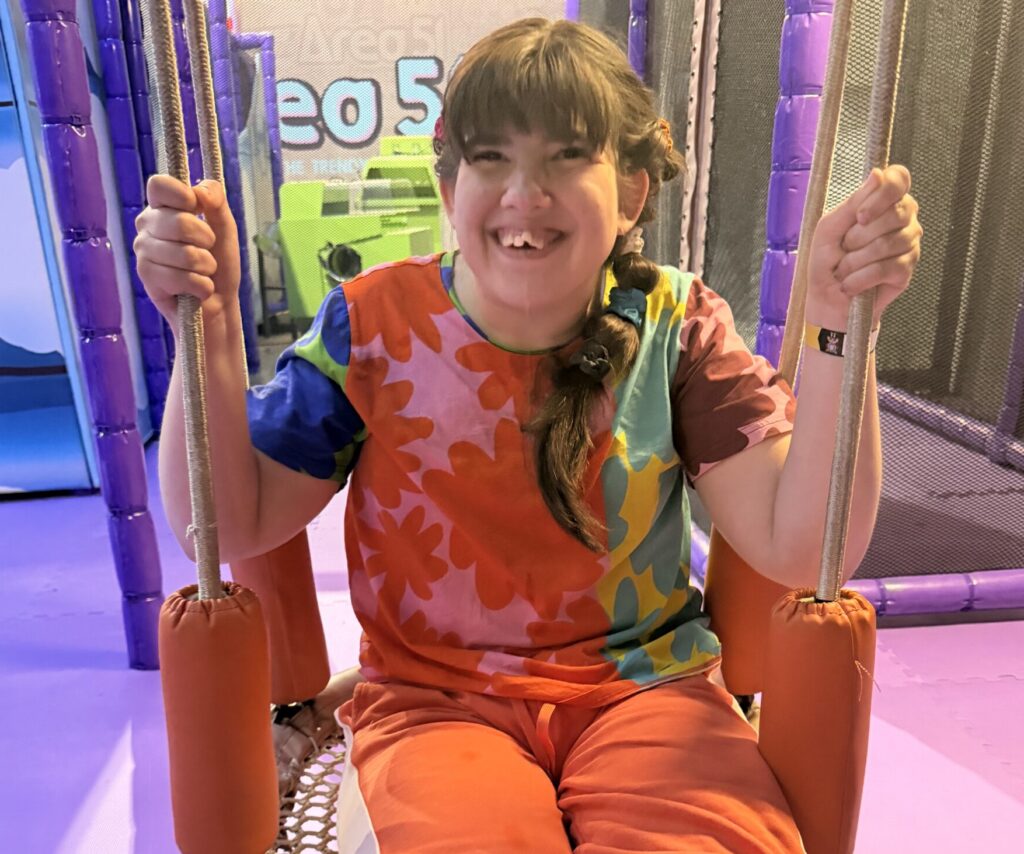
Day programs can give adults with disability meaningful opportunities to practise everyday skills, make choices and become more confident.
These programs are not simply about filling the day with activities. When they are planned around the individual, they can help participants work towards personal goals in practical and enjoyable ways.
For some participants, this may involve preparing a meal or planning an outing. For others, it could mean communicating their preferences, following a routine or becoming more comfortable in the community.
The skills will look different for every person. The important thing is that participants receive the right level of support and can progress at their own pace.
What Are Life Skills?
Life skills are the practical and personal abilities people use throughout everyday life.
They can include:
- Preparing food
- Shopping for everyday items
- Making decisions
- Managing personal belongings
- Following a routine
- Communicating needs and preferences
- Using money
- Planning an activity
- Travelling safely in the community
- Working through everyday problems
- Participating in shared activities
Developing these skills can support greater independence. However, independence does not mean completing every task without assistance.
It can also mean having more choice, taking an active role and completing part of a task with appropriate support.
Learning Through Real Experiences
People often build skills more effectively when they can practise them in real situations.
For example, a cooking activity may involve much more than preparing food. Participants may help choose a recipe, prepare a shopping list, measure ingredients and clean the workspace afterwards.
A community outing could involve deciding where to go, preparing what to bring and interacting with people in the community.
These experiences allow participants to practise several skills within one enjoyable activity.
They also help make learning relevant. Instead of working through an activity without a clear purpose, the participant can see how each skill connects with everyday life.
Building Confidence Through Practice
Trying something new can feel uncomfortable at first.
A participant may need guidance when preparing a meal, joining a group activity or visiting an unfamiliar place.
With encouragement and repeated opportunities, the activity may gradually feel more manageable.
That sense of progress matters.
Completing one part of a task can encourage someone to try the next step. Small achievements can gradually build confidence and help participants recognise what they are capable of doing.
Progress will not always happen at the same pace. Some skills may develop quickly, while others require more time and repetition.
A supportive day program should recognise those differences and celebrate progress without creating unnecessary pressure.
Encouraging Choice and Decision-Making
Choice is an important part of independence.
Day programs can create regular opportunities for participants to express what they want and take part in decisions.
This might include choosing:
- Which activity they would like to join
- What meal they would like to prepare
- Where the group should visit
- What role they would like during an activity
- When they need a break
- How they would like to complete a task
These may appear to be small decisions. However, regularly making choices can help participants become more confident in communicating their preferences.
It also helps ensure that support remains person-centred.
Developing Communication and Cooperation
Many everyday activities involve communicating and working alongside other people.
Within a group program, participants may practise asking for help, listening to instructions, sharing ideas or completing a task with someone else.
A shared activity can also create natural opportunities to:
- Take turns
- Communicate preferences
- Listen to other people
- Solve problems together
- Respect personal boundaries
- Contribute to a shared goal
These skills can support participation at home, during community activities and in other social settings.
Building Skills in the Community
Life skills do not only develop indoors.
Community outings can help participants practise navigating real environments with appropriate support.
Depending on the participant’s goals and interests, this may include visiting a café, shopping, attending an activity or exploring somewhere on the Gold Coast.
Community experiences may help participants become more familiar with new environments. They can also provide opportunities to practise communication, decision-making and personal safety.
Over time, that familiarity may help participants feel more comfortable and confident when accessing the community.
Why a Person-Centred Approach Matters
No single day program will suit every person.
Participants have different interests, communication preferences, abilities, support requirements and goals.
Activities should therefore be adapted to the individual instead of expecting everyone to participate in the same way.
One participant may want to take the lead during an activity. Another may prefer to watch before becoming involved.
Some people enjoy busy community outings. Others feel more comfortable with smaller groups, familiar routines or quieter activities.
A person-centred approach allows each participant to engage in a way that feels appropriate for them.
Connecting Activities With NDIS Goals
The NDIS describes capacity-building supports as supports that help participants develop skills, do more for themselves and work towards their goals.
Depending on the participant’s plan, relevant goals might include becoming more independent, building social skills or increasing community participation.
However, funding and eligibility will depend on the individual plan and the supports included within it.
Participants and families should check their plan or speak with their plan manager, support coordinator or the NDIS when they are unsure.
Life Skills Through Rize & Thrive
Rize & Thrive is Rize Support’s weekly group program on the Gold Coast.
The program runs each Thursday and combines structured activities, skill-building and community experiences. Activities are adapted around participants’ interests, abilities and personal goals.
Participants may have opportunities to practise daily living skills, express their choices, build confidence and take part in community outings. Support remains available throughout the program, allowing each person to participate at their own pace.
Most importantly, skill development should still feel enjoyable and meaningful.
When people feel comfortable, included and genuinely interested in what they are doing, everyday activities can become valuable opportunities to learn and grow.
Contact Rize Support to learn more about Rize & Thrive and discuss whether the program may suit your goals or those of someone you support.